


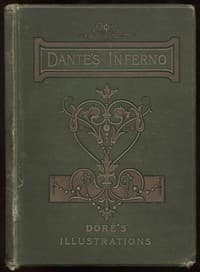
The divine comedy
by Dante Alighieri
““All hope abandon ye who enter here.””
Inscription over the gate of Hell in Inferno, marking the absolute loss of hope for the damned.
Inferno, Canto III
Why The divine comedy Matters
The Divine Comedy is one of the foundational works of Western literature and helped shape the Italian language, literary imagination, and theological-poetic tradition. Its imagery of Hell, Purgatory, and Paradise has influenced art, literature, philosophy, and popular culture for centuries, and its exploration of justice, love, repentance, and human freedom remains deeply relevant.
Key Themes
Divine justice
Each realm of the afterlife reflects a perfectly ordered system of reward and punishment. Sins are matched with fitting consequences, showing that moral choices have eternal weight.
Repentance and redemption
Especially in Purgatorio, Dante stresses that souls can be purified through humility, suffering, prayer, and grace. Redemption is possible, but it requires honest conversion.
The limits of human reason
Dante repeatedly encounters truths that exceed ordinary intellect. Virgil represents reason, but Beatrice and the celestial vision show that revelation and faith are needed to reach higher understanding.
Love as a moral force
Love can elevate or corrupt depending on its direction. In Paradiso, divine love is the force that orders the cosmos; in Inferno, disordered desire causes ruin.
Political and civic corruption
Dante uses the afterlife to judge Florence, Italy, the papacy, and rulers across history. The poem is deeply shaped by his disappointment with earthly power and moral decay.
Memory and transformation
The journey depends on remembering what is seen and learned, but also on being purified from sinful memory. Dante’s vision changes him, making memory itself part of salvation.
Key Takeaways
- 1
Moral choices matter beyond earthly life.
- 2
Reason is valuable, but it has limits without faith and revelation.
- 3
Love must be disciplined and directed toward the good.
- 4
Repentance is not weakness; it is the beginning of restoration.
- 5
Human pride and corruption distort both personal and political life.
- 6
The highest happiness lies in harmony with divine order.
- 7
Poetry can be a vehicle for truth, moral instruction, and spiritual ascent.
Who Should Read The divine comedy?
This book is ideal for readers who enjoy epic poetry, Christian symbolism, moral philosophy, and richly imagined journeys through otherworldly landscapes. It will especially appeal to anyone interested in classic literature, medieval theology, political allegory, or works that blend personal transformation with grand cultural vision.
Want This as an Audiobook?
Request the audiobook for The divine comedy and we'll notify you when it's ready.