


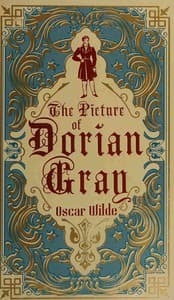
The Picture of Dorian Gray
by Oscar Wilde
“All art is quite useless.”
Wilde’s preface statement about art’s independence from moral usefulness, framing the novel’s aesthetic philosophy.
Preface
Why The Picture of Dorian Gray Matters
The Picture of Dorian Gray remains culturally significant because it captures the anxieties of aestheticism, decadence, and moral duality in one unforgettable image: a beautiful face masking inner ruin. Its ideas about influence, self-fashioning, and hidden corruption continue to resonate in modern discussions of celebrity, image, vanity, and the cost of living for appearances.
Key Themes
Aestheticism and art as self-revelation
Wilde presents art as something that is both surface and symbol, beautiful on the outside while carrying hidden meanings and moral force beneath. The portrait becomes a literalized work of art that exposes Dorian’s inner life more truthfully than his public face ever can.
Youth, beauty, and aging
The novel obsessively contrasts the transient nature of physical youth with the permanence of moral consequence. Dorian’s terror of aging drives his bargain, and the book shows how beauty can become a trap when worshipped as life’s highest value.
Influence and corruption
Lord Henry’s epigrams and Basil’s devotion both shape Dorian’s identity, but Henry’s ideas most decisively corrupt him. Wilde explores how personalities, books, and conversations can alter a soul as powerfully as direct action.
Double life and secrecy
Dorian lives as a respected gentleman while concealing a private world of vice, fear, and violence. The hidden portrait symbolizes the split between appearance and reality, and the novel shows how secrecy intensifies guilt rather than erasing it.
Love, desire, and idealization
Sibyl Vane is loved as an artistic ideal before she is loved as a person, which makes Dorian’s affection fragile and cruel. Wilde critiques the way desire can be shaped by imagination, performance, and fantasy rather than genuine human recognition.
Morality, conscience, and punishment
Although Lord Henry dismisses morality as hypocrisy, the novel insists that conscience cannot be fully escaped. The portrait functions as a supernatural conscience, and Dorian’s attempt to destroy it becomes the instrument of his final judgment.
Key Takeaways
- 1
Beauty without conscience becomes dangerous.
- 2
Influence can corrupt as deeply as direct wrongdoing.
- 3
Love based on idealization is fragile and often cruel.
- 4
Secrecy may preserve appearances but intensify inner decay.
- 5
Art in the novel is not neutral; it reveals character and truth.
- 6
Pleasure pursued without limits can hollow out the self.
- 7
Trying to destroy guilt without facing it ultimately destroys the person carrying it.
Who Should Read The Picture of Dorian Gray?
This book is ideal for readers who enjoy Gothic fiction, psychological drama, and sharp literary wit. It will especially appeal to anyone interested in beauty, morality, art, identity, and the dark side of self-invention, as well as readers who appreciate memorable dialogue and philosophical tension.
Want This as an Audiobook?
Request the audiobook for The Picture of Dorian Gray and we'll notify you when it's ready.