


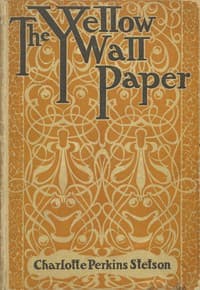
The Yellow Wallpaper
by Charlotte Perkins Gilman
“You see, he does not believe I am sick!”
The narrator explains that her husband dismisses her illness, setting up the story’s central conflict.
Chapter 1
Why The Yellow Wallpaper Matters
The Yellow Wallpaper remains one of the most influential American short stories because it powerfully critiques the medical and social treatment of women in the nineteenth century. Its vivid symbolism, intimate voice, and unsettling portrayal of psychological breakdown have made it a foundational text in feminist criticism, mental health discussions, and literary studies more broadly.
Key Themes
Female oppression and patriarchy
The story shows how a husband’s authority, backed by medicine and social convention, silences the narrator and controls her body, behavior, and voice.
Mental illness and misdiagnosis
The narrator’s condition worsens because her actual needs are ignored; the story critiques treatment that confuses obedience with healing.
Isolation
Physical seclusion in the nursery and emotional separation from meaningful companionship intensify the narrator’s distress and distortion of reality.
Imprisonment and escape
The wallpaper functions as a prison-like structure, symbolizing the narrator’s confinement and her desperate, ultimately catastrophic attempt to break free.
The power of the imagination
The narrator’s mind creates elaborate interpretations of the wallpaper, showing both the danger and the vitality of imaginative thought under repression.
The conflict between appearance and reality
What seems like a harmless rest cure is revealed to be destructive, and the wallpaper’s shifting pattern reflects the instability of what can be trusted.
Key Takeaways
- 1
Silencing a person’s own understanding of their suffering can make healing impossible.
- 2
Authority without empathy can become a form of violence.
- 3
Isolation can intensify anxiety, obsession, and mental decline.
- 4
Domestic spaces can reflect and reinforce social power structures.
- 5
The desire for autonomy is central to mental and emotional well-being.
- 6
What is labeled as care may actually be control.
- 7
Symbols in literature can reveal hidden psychological and social truths.
Who Should Read The Yellow Wallpaper?
This book is ideal for readers interested in feminist literature, psychological fiction, Gothic atmosphere, and stories about mental health and social control. It will especially appeal to anyone who enjoys compact but deeply layered classics that use symbolism and unreliable narration to explore power, identity, and the consequences of being dismissed by those in authority.
Want This as an Audiobook?
Request the audiobook for The Yellow Wallpaper and we'll notify you when it's ready.